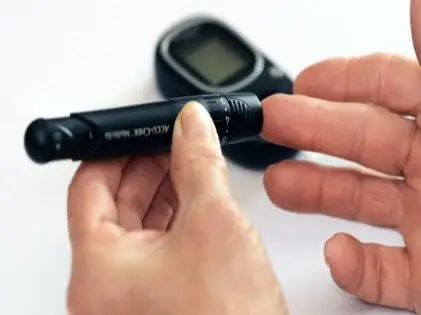
The common misconception of blood-sugar testing is that it is enough to do a fasting blood sugar test or postprandial testing. However, that is not sufficient to track your blood sugars. While it provides information on how your blood sugar is faring at that time, it does not help you understand how your sugar levels fluctuate during the rest of the day. So, in such cases, you need to monitor your AIC levels or glycated hemoglobin (HbA1c) to measure your average blood sugar. This will give you a better idea as to how well you are managing your diabetes.
Understanding The Sugar Levels
The A1C test measures blood glucose levels by evaluating the amount of glycated hemoglobin. Hemoglobin is a protein within red blood cells. As glucose enters the bloodstream, it binds to hemoglobin or glycated. The more the glucose enters your bloodstream, the higher the chances of your glycated hemoglobin shooting up. Ideally, your level should be below 5.7 percent. If it is between 5.7 and 6.4 percent, it indicates pre-diabetes. However, when it is higher than 6.5 percent, the person is diagnosed with diabetes.
So the goal for a prediabetic or a person with diabetes is to lower the AIC levels. It will help lower the other diabetes complications, such as eye damage, nerve damage, and so on. So, how can you lower your A1C levels? Is it possible to do so while incorporating the right lifestyle changes? You bet it is, and yes, it needs you to work hard at it, which can significantly lower your AIC and improve your quality of life. So, here are some tips for doing that.
Follow An Exercise Plan

Get your body moving, and it isn’t as hard as you think it is. Walking, biking or any physical activity will help. All you need to do is ensure you get at least 150 minutes of exercise per week. While you are at it, ensure you include strength training, resistance training, and aerobic exercise, improving your insulin sensitivity.
If you have been lately diagnosed with Type 2 diabetes, there is a lot of information out there to confuse you further. Talk it out with your health care practitioner, as to which exercises suit your body the most. It is also important to do something that will make you stick to your routine. Doing a two-hour workout one day and sitting on a couch on the other days, leading a sedentary life, is not going to work! Devote just an hour or say forty minutes every day, at least five-six days a week and trust us, you will reap the benefits.
Have a Balanced Diet

While you may find it hard to determine exactly how much to eat, it is necessary to talk it out with your nutritionist to fix your portions. A balanced diet may mean filling up one-half of your plate with veggies, one-quarter with adequate protein, and another quarter with whole-grains. Instead of choosing fad diets, it is important to choose sustainability. This means picking an eating pattern and following it for the rest of your life. If you are fond of fruits, stick to a small portion but pair it with a bit of protein or a helping of fat to digest it better and ensuring it does not spike your blood sugar levels.
Stick To A Routine

Skipping meals is a complete no-no to the ones who are trying to lower their blood sugar levels and ensuring that it does peak too much or fall too much. It holds of people who either take diabetic drugs or insulin. Maintain a schedule and try and eat at the same time every day.
Monitor Blood Sugar
Check your A1C levels regularly, say every three months, or six months, this can give you a better idea as to how well you are managing your diabetes. Don’t hesitate to discuss your AIC levels with your doctor. If you find there are too many fluctuations in your levels, your doctor will help you find out the root cause and help find a solution for you.
More and more research reveals that you can reverse your diabetic condition with the right diet and make lifestyle changes, such as lowering your stress levels, eating right, and exercising. But each one is a different individual, so your diabetic treatment plan will cater to your individualistic needs, so follow your doctor’s orders, make the lifestyle changes, and be the healthiest version of yourself.