Most people think that by eating as healthy as they can and together with working out would make them perfectly healthy. That is true in a way but some of these people tend to skip one of the most important things, and that is protein.
Almost everyone is trying to stay fit and just lose some weight which is why they would choose to sacrifice not having enough protein just so they could achieve their goal weight for the sake of looking and feeling good about themselves.
What they don’t realize is that they actually need a great amount of protein in their body. Protein can be found in meat and dairy, as well as some plant foods like beans, seeds and other vegetables too.
Protein is known to be the building block of muscles and it actually helps with boosting the body’s metabolism. So if people choose to get rid of protein on their diet or have less than the body needs, they might suffer from protein deficiency.
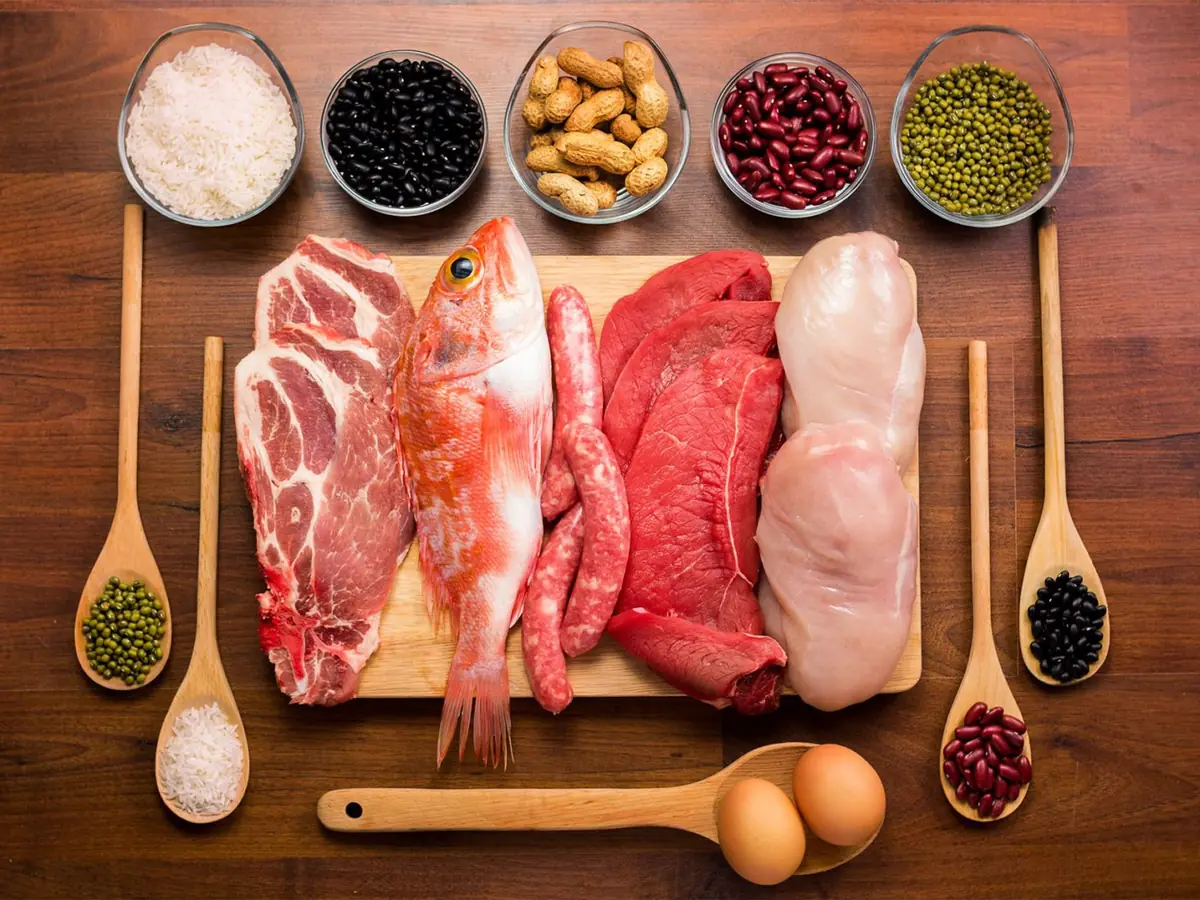
Protein serves as a building block of the body
Signs of Protein Deficiency
Change In Moods
According to health experts, a person may be suffering from protein deficiency can actually be extremely moody. They would have minor mood swings such as being all giddy one second and then they would be all irritated or anxious the next.
That is because the body is lacking protein and that is the one that is helping the hormones when it comes to having positive feelings. Hormones such as dopamine as well as serotonin are fed by protein.
All the neurotransmitters that controls a person’s mood have amino acids for its building blocks. Fatigue is also a mother sign to watch out for, that is even if it could mean anything. Lack of protein in the body would make you feel tired because of the hemoglobin becoming less and less present in the red blood cells.
Hair Loss and Breakage
Hair loss, hair breakage, and even split ends are some of the signs of lack of protein, this is because according to the American Academy of Dermatology, regular protein consumption helps the hair stay healthy. With a body lacking protein, the hair would start to break and these signs would be visible. Protein keeps hair follicles strong, so without it, the nutrients the hair needs will be gone as well.
Getting Sick Frequently
Having a weak immune system means the body is prone to bacteria and almost every virus. Catching a cold as well as being infected are huge signs. Lack of protein would make you feel like you don’t have the energy to do anything at all and that you feel sick almost all the time.
Muscle Loss and Bone Fracture Risk
A huge portion of the body needs strong bones and muscles, with the body consuming less and less protein, it could all suffer. The bones may weaken and it could then lead to an increase in risks of having fractured bones especially if you’re aging.
Bones need as much calcium as it could get, but it needs protein too and these two are present in dairy products. Protein-rich foods could help you protect your bones from becoming brittle as you grow old.
According to experts, losing protein not just affect the bones but the muscles as well. This is because when the body loses muscles, it holds on to fats and the muscle degeneration would definitely slow down. It may also lead to muscle and joint pain, which could be very uncomfortable and may stop you from doing your everyday routine.
Sleeping Problems and Brain Fogs
Problems with sleeping or staying as well are also one of the signs that your body is lacking protein. This is becoming the blood sugar level is no longer stable since there is less protein present. Not being able to consume enough protein would then result in having insomnia. Protein even slows down the sugar absorption in almost every meal, which is why a balanced diet always requires protein.
With lack of sleep comes with the brain not being able to function well and it could all lead to having a brain fog. This usually occurs when the amino acids are not enough for the brain and the neurotransmitters are not able to do its job well.