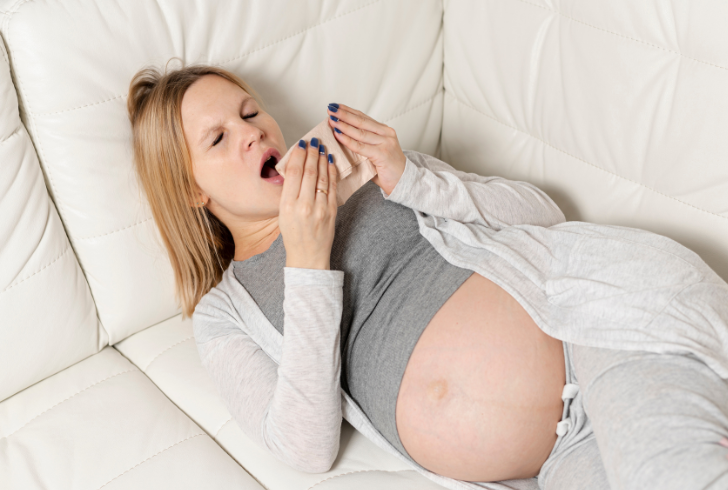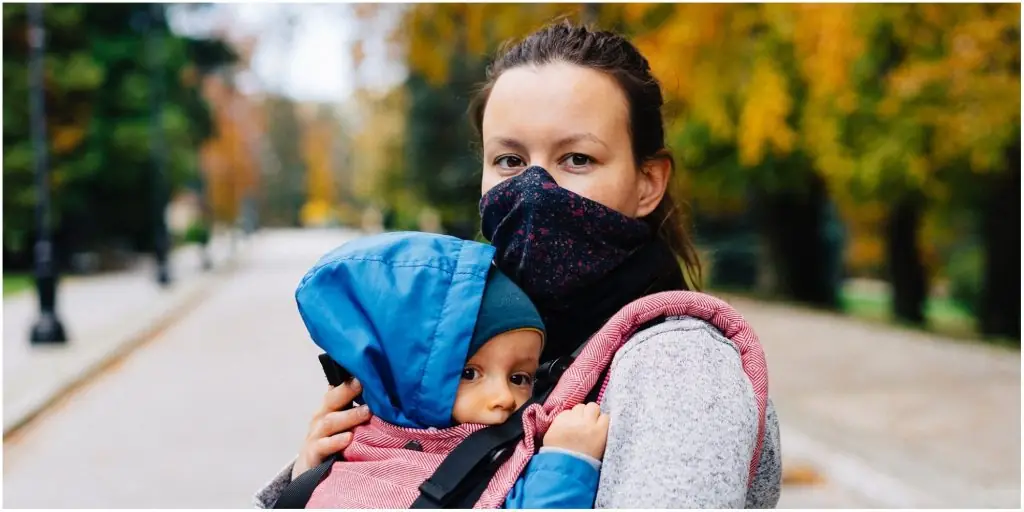
The COVID-19 pandemic has been wreaking havoc on mankind for the last year. It has taken in its grasp millions of lives till now and has had adverse impacts on the human lifestyle. People are now having to stay indoors and avoid going out until and unless there is something unnecessary. While going out, everyone is maintaining social distancing.
Lockdowns are in place worldwide. Though a few countries have been going easy on that front, some governments are imposing new restrictions due to a second wave. Amidst all these, you might have heard about the term herd immunity. If you want to understand what herd immunity is and its role in this pandemic, you need to know the details.
What Is Herd Immunity?
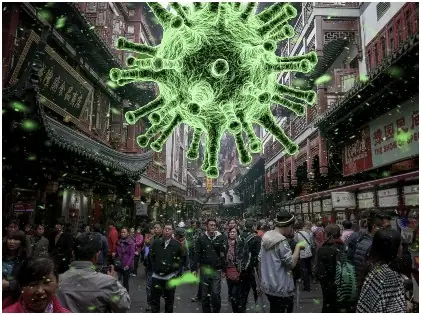
Herd immunity is the indirect protection that a population can get when they grow immune to an infectious disease. This can happen either through vaccination or by prevention of the infection spread. The World Health Organization favors achieving this herd immunity through vaccinations.
And it would thereby prevent the disease from spreading since it would infect more people leading to innumerable cases and deaths. Against the coronavirus, herd immunity is what we should target by getting people vaccinated. This will help them stay safe and avoid exposure to the pathogen responsible for the disease.
How Do Vaccines Work?

Immune systems create proteins with the help of vaccines. These proteins are what doctors term antibodies. These antibodies usually develop when you are fighting against disease. Vaccines help these antibodies to develop without making you sick. When you get vaccinations, you can stay safe from falling prey to the disease. And thus interrupting the chain of transmission. To attain herd immunity against the lethal coronavirus, quite a considerable portion of a population would require vaccination.
One of the targets of herd immunity is to keep those who are vulnerable to COVID-19 and cannot be vaccinated owing to several health factors safe from getting infected. It is not easy to estimate the proper percentage of people who need to get vaccinations to achieve herd immunity for COVID-19. Only after ample research would it be possible to understand that the percentage would probably vary from one community to another, one vaccine to another. It would, of course, depend on the people who are on the priority list and need to be vaccinated first.
Can Attaining Herd Immunity Through Vaccination Be Difficult?
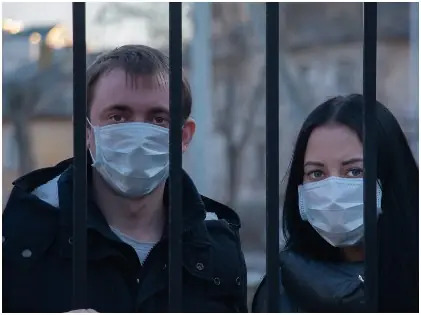
Even though the World Health Organization suggests that herd immunity against COVID-19 is possible through vaccination, there can be a few hurdles on the way. The first hurdle is vaccine hesitancy. Some people might be in two minds about getting a vaccination as they are not aware of the vaccine’s benefits. They are quite skeptical about what might happen if the vaccination doesn’t suit them. Religious objections might also be a major hurdle.
Some people would keep themselves away since their religion doesn’t allow them. What would follow is an uncontrolled spread of this contagious disease. The next hurdle is the doubt regarding how long the vaccines would protect humans from the coronavirus. A lot of research is still underway to figure out how effective the vaccines are against the new variants of COVID-19. Last but not least, an uneven distribution of vaccines would prevent a country from achieving herd immunity. If the population that has taken the vaccination mixes with those who haven’t been, there will be outbreaks.
Is It Possible to Decelerate the Transmission of COVID-19?
It is possible to control COVID-19 transmission if you follow a few basic steps aside from getting a vaccination. Maintain a distance of 6 feet from a person who is either infected with COVID-19 or has symptoms. You must know that some people might infect you with COVID-19, despite not having any symptoms or not being aware that they have COVID-19.
Going out in crowds is not a good idea. Also, it would help if you avoided indoor spaces that don’t have proper ventilation. Use soap to wash your hands for at least 20 seconds. Make it a point to use a sanitizer that contains more than 60% alcohol. Aside from that, never forget to use a mask when you are in public spaces.
Besides the above, you must avoid sharing anything you use with anyone when you have COVID-19.