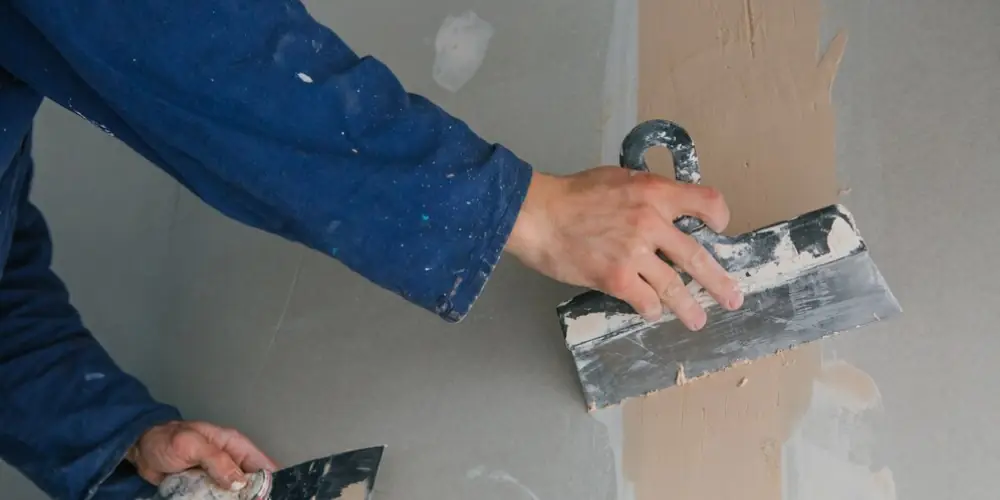
Have you ever tackled a DIY project involving drywall installation? While the satisfaction of completing a home improvement task yourself is undeniable, the process can generate a surprising culprit: drywall dust. This seemingly harmless powder can pose a threat to your respiratory health, leaving you wondering – how long does drywall dust stay in your lungs?
This fine, airborne menace poses both short-term and long-term health risks. Let’s delve deeper into the world of drywall dust and explore ways to protect yourself from its clutches.
Short-Term Effects of Drywall Dust

When you slice through drywall sheets or sand down joint compound, a microscopic cloud forms. These particles, measuring around 10 microns (think one-seventh the width of a human hair!), are easily inhaled. The immediate consequences can be quite unpleasant:
- Eye Irritation – Those tiny particles can easily infiltrate your eyes, causing irritation and redness.
- Respiratory Discomfort – Inhaling dust can irritate the sensitive tissues in your nose and throat, leading to a scratchy throat, coughing, and sneezing.
The Long-Term Threat
Unlike dust bunnies under the couch, drywall dust doesn’t disappear easily. Here’s the unsettling truth: your body struggles to expel these fine particles. They can potentially reside in your lungs for years, even decades. This prolonged exposure can lead to a condition called interstitial lung disease (ILD).
ILD occurs when dust particles accumulate in the lungs, causing inflammation and scarring. This scar tissue is stiffer than healthy lung tissue, making it harder to breathe and take in oxygen. Symptoms of ILD can include:
- Chest tightness or discomfort
- A persistent, dry cough
- Shortness of breath, especially during exertion
- Fatigue
- In severe cases, bleeding in the lungs
The scariest aspect? ILD takes a long time to develop, often decades. By the time symptoms appear, significant lung damage might already be present.
A Silent Culprit – Silica in Drywall
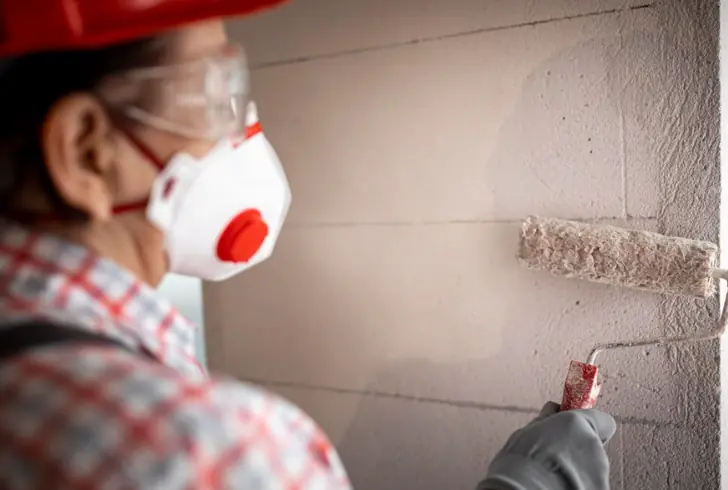
Drywall and joint compound sometimes contain silica, a mineral particularly harmful when inhaled. Silicosis, a specific type of ILD, arises from prolonged exposure to silica dust. It’s crucial to remember that how long does drywall dust stay in your lungs isn’t the only concern; the composition of the dust also plays a vital role.
The good news: silica-free drywall is readily available. When purchasing drywall, make sure to check the label for a “silica-free” designation to minimize health risks.
Protecting Yourself from Drywall Dust
While DIY projects can be rewarding, prioritizing your health is paramount. Thankfully, several measures can shield you from the harmful effects of drywall dust:
- Don the Armor: Respirators offer the best protection against inhaling dust particles. Look for an N95 respirator, which effectively filters out at least 95% of airborne particles. Dust masks provide some protection but are not as efficient as respirators.
- Shield Your Eyes: Safety goggles or wraparound safety glasses prevent dust from irritating your eyes.
- Minimize Dust Production: Whenever possible, use techniques that generate less dust. Consider using a dustless drywall sander or wet sanding methods.
- Seal the Deal: Seal off the work area with plastic sheeting to prevent dust from spreading to other parts of your home.
- Maintain Airflow: Open windows and doors to create good ventilation and remove dust particles from the air.
DIY or Hire a Pro
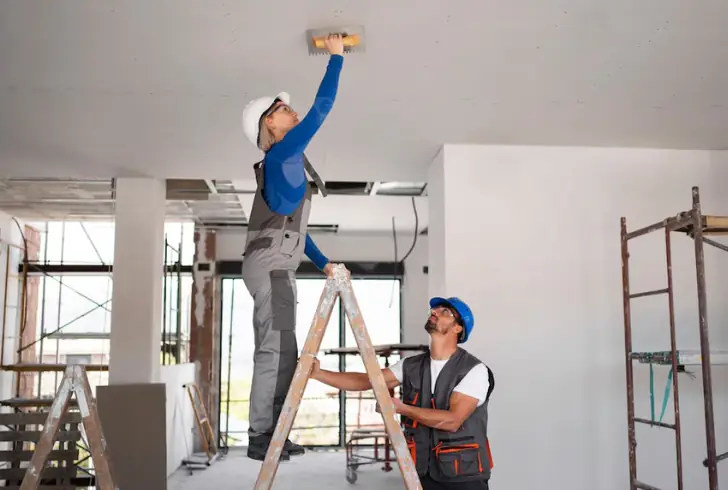
The risk of developing ILD from drywall dust exposure is primarily a concern for professionals who work with drywall daily. If you’re a one-time DIYer tackling a small project, the chances are slim. However, taking precautions is always wise.
For larger projects, consider hiring a professional drywall contractor. They have the experience and equipment to minimize dust creation and ensure a safe work environment.
Breathe Easy
Drywall dust may seem like a minor nuisance, but it can pose a serious health threat. By understanding how long does drywall dust stay in your lungs and the potential consequences, you can take steps to protect yourself. Whether you choose the DIY route or enlist professional help, prioritize safety and create a healthy breathing environment for yourself and those around you.