When was the last time you took a nap? We bet you can’t even remember.
Naps are essential facets of everyday life in countries like Spain and Italy. But, Americans seem to let go of their napping habits after primary school. While the habit might return after retirement, you miss out on utilizing this excellent recharging tool when you actually need it. After retiring, do you expect to tire yourself out enough to need a nap? No, you take one because of all the time you have on your hands.
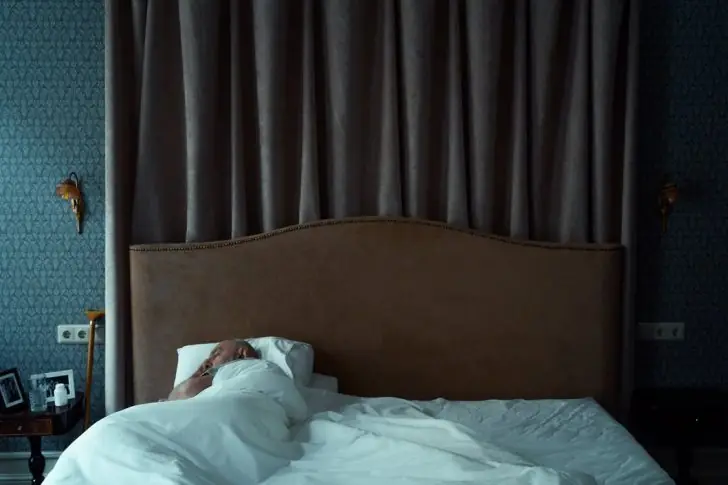
Here’s the thing, if you nap the right way, you will wake up feeling even more productive.
Just try it using these excellent tips:
- Keep ‘em short ‘n’ sweet
The more you sleep, the more groggy you’ll be. It’s a fact. The Mayo Clinic says so. The CDC suggests you set the alarm for 15-30 minutes before napping. If your job is a bit more complicated and keeps you up through the night, like that of an essential worker, you could benefit from 1.5-hour naps to help maintain alertness, says the CDC.
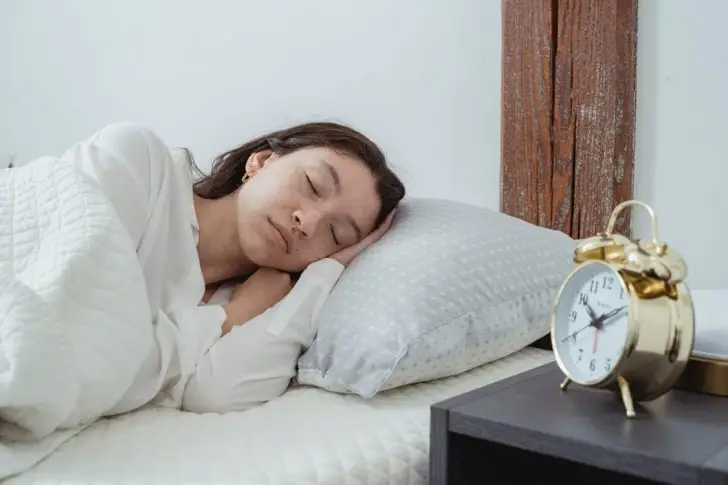
Don’t skip the alarm, or you’ll definitely end up sleeping longer than you intended
- Block out light and sound
Sound and light disrupt sleep, as outlined by much research done on the subject. Considering you have 30 minutes or less, you need to set yourself up for glory. So, investing in an eye mask won’t hurt. If you can’t find a quiet spot, a pair of earplugs will go a long way.
- You need an energizer
With shorter naps, you generally wake up somewhat alert. But, the longer you nap, the longer it’ll take for you to re-enter the world. It’s recommended that you schedule an extra few minutes to re-orient yourself before getting back into your routine. This is especially important if your job involves operating heavy machinery.
One Final Note…
Enjoy. Your. Nap.
Even if the health organizations aren’t saying it, we are. With the hustle-bustle of modern-day life, it can be difficult to give yourself permission to relax. Self-care is a challenge, but it is essential. So, if you’re regretting your decision to steal 30 minutes for yourself each day to just pause and rest, shoo those thoughts away immediately.
You deserve to relax, even your day has to stop for a little bit. It’s good for you. Yes, you might have difficulty finding the time but, once you see how productive a nap can make the rest of your day, it’ll seamlessly fall into your schedule.