
No thanks to COVID-19, we’ve become terrified of contracting (or merely hearing someone) cough. After all, it’s one of the symptoms of the novel coronavirus — but sometimes it may be caused by something different yet unnerving.
Chest Cold
If you can’t sleep at night because of excessive coughing, you may be suffering from a chest cold, medically known as acute bronchitis, the Centers for Disease Control and Prevention explained. It happens when the lung airways swell and the organ produces mucus – this is the reason you sound like a horse as you cough.
A chest cold is the most common type of bronchitis and typically lasts for less than three weeks. It is usually caused by a virus and happens after an infection in the upper respiratory tract.
Symptoms
The bad news is that a chest cold can make you feel so sick that it’s impossible to perform daily tasks properly. The good news is that it’s not as bad as the COVID-19. Not sure if what you’re suffering from is acute bronchitis?

The CDC listed chest soreness, mild headache, sore throat, fatigue, mild body aches, and cough with or without phlegm as the symptoms of a chest cold. However, the health institute urges the public to be on the lookout for other more severe symptoms as this could be a serious illness.
Especially if you experience at least 100.4-degree Fahrenheit temperature, difficulty in breathing, cough with bloody mucus, symptoms that exceeded three weeks, and repeated bouts with bronchitis, you should consult your doctor.
Chest Cold Treatment and Prevention
Expert Cory Fisher explained that there’s really no cure for acute bronchitis since it needs to run its course. Antibiotics would not work on the cold, whether it’s in the nose, chest, or throat, he added.
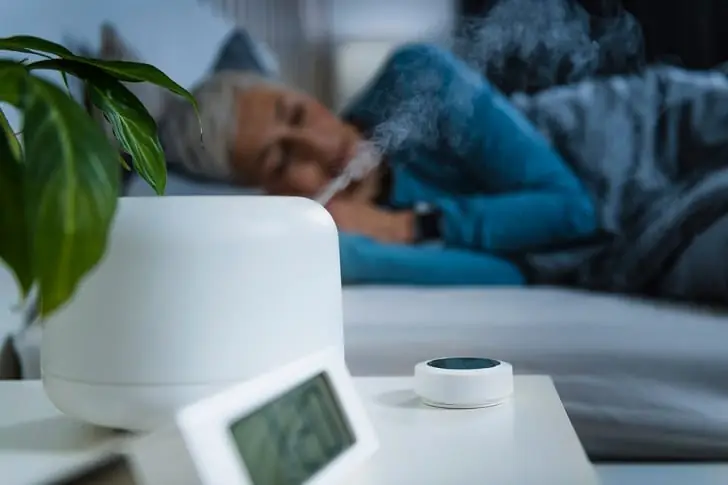
Indeed, the CDC clarified that the cold wouldn’t work on acute bronchitis even if it is caused by bacteria. As such, patients will only need to address the symptoms – usually, water and rest are enough. Moreover, a cool mist vaporizer or a humidifier, steam from the shower, and lozenges may help.
Plus, it pays to listen to your body as you weather through this storm. If you used to go for a morning run, assess first whether you need to skip the day’s lap or to lessen the intensity.
As for prevention, there are many ways to avoid catching acute bronchitis. Strengthen your immune system by eating healthy foods, getting enough sleep, and avoiding vices.

Wash your hands after touching surfaces and maintain distance from ill people. Wear face masks – it doesn’t just keep you safe from the COVID-19 but also other respiratory diseases.