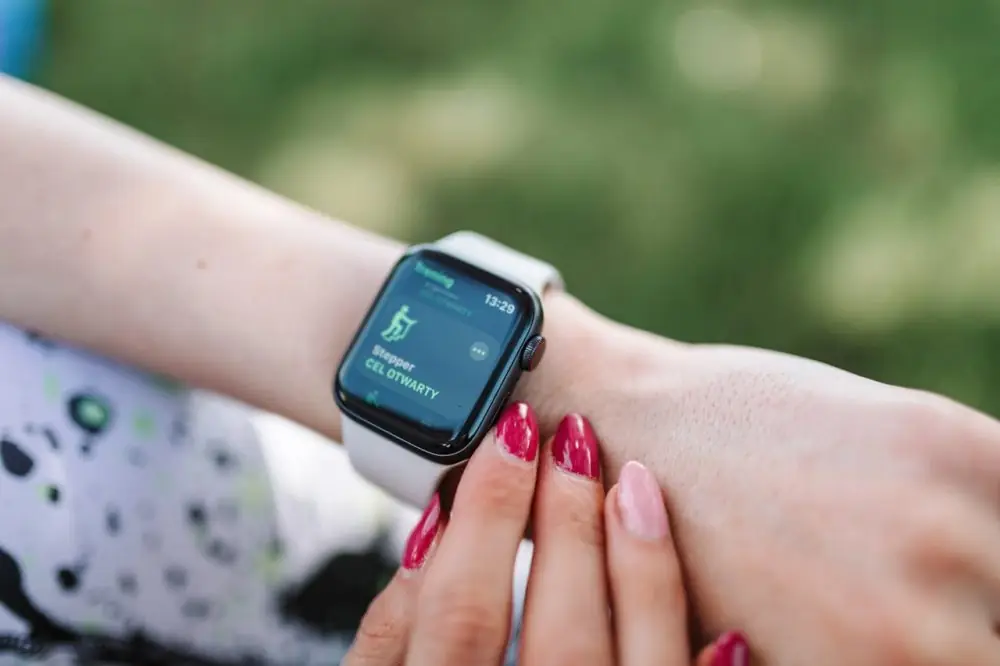
You already track steps, sleep, and workouts without a second thought. That kind of data feels normal now, almost expected. But the next wave of health tech goes much deeper, and much more personal.
New devices now track things most people have never measured before. Some monitor menstrual flow in detail, while others analyze gut health through bathroom habits. There are even tools that collect data during intimate moments, turning private experiences into charts and insights.
This shift reflects a bigger trend in how we think about health. Experts call it the “datafication of the self,” which means turning daily life into measurable data. Health and performance are no longer separate ideas, and both now live in the same apps and dashboards.
In the past, tracking your body meant stepping on a scale or checking your temperature. Those tools gave basic snapshots, not ongoing feedback. Today’s devices promise constant insight, and they frame your body as something you can optimize in real time.
What Do These New Devices Actually Do?
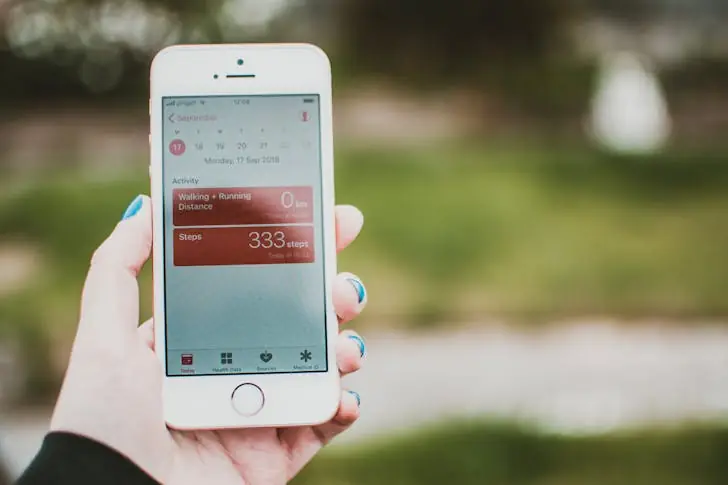
That kind of data could help people spot irregular patterns or understand heavy flow more accurately.
There are also devices designed to connect lifestyle habits with physical responses. For example, some tools track muscle activity during intimacy and link that data to stress levels, sleep quality, or alcohol use. The idea is to help users understand how daily choices affect their bodies in unexpected ways.
Other innovations focus on digestion and gut health. A camera-based device can analyze what ends up in the toilet and compare it with what you eat. It then turns that information into a score meant to reflect your digestive health over time.
Wearable tech is evolving as well. Smart earrings can measure heart rate and sleep patterns through blood flow in your head. Headbands now track brain activity, offering insights into focus, rest, and mental effort during the day.
Why People Are Drawn to This Level of Data
One big appeal is personalization. Your body does not behave exactly like anyone else’s, and generic health advice often falls short. Tracking gives you data based on your own patterns, not averages from a study.
This kind of insight can help people make better choices. If you see that poor sleep affects your mood or digestion, you might start adjusting your habits. The feedback feels immediate, and that can be motivating in a way that general advice is not.
There is also a growing focus on areas that were ignored in the past. Women’s health, in particular, has not received the same level of attention in research or product design. New tracking tools are starting to fill those gaps with more targeted data.
Better data could also lead to earlier detection of health issues. If a device notices changes in patterns over time, it might help flag problems before they become serious. That kind of early awareness could make a real difference.
When Tracking Starts to Go Too Far
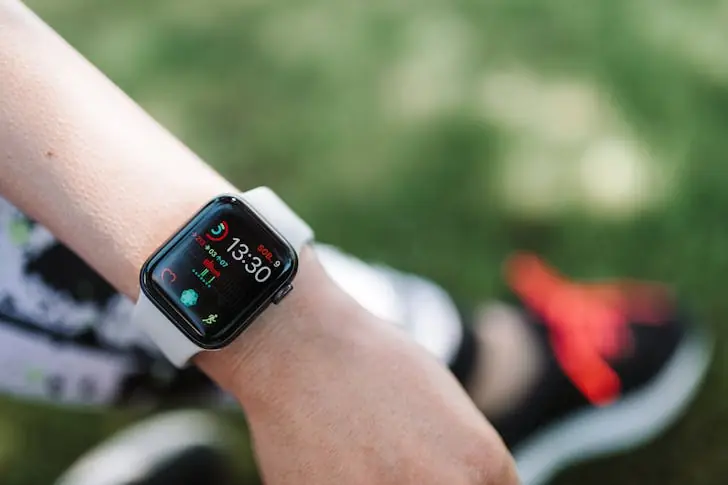
That shift can create pressure. If your device tells you your sleep was poor, you might feel tired even if you actually feel fine. The data can shape your mood before your body has a chance to speak for itself.
There is also a risk of becoming overly focused on being “in range.” When everything is measured, it is easy to chase perfect scores. That can lead to stress instead of improvement, especially if the data feels like a judgment.
Accuracy is another concern. Not all devices are equally reliable, and some may misread signals. If a tracker labels you as stressed when you are calm, that mismatch can create confusion or even anxiety.